
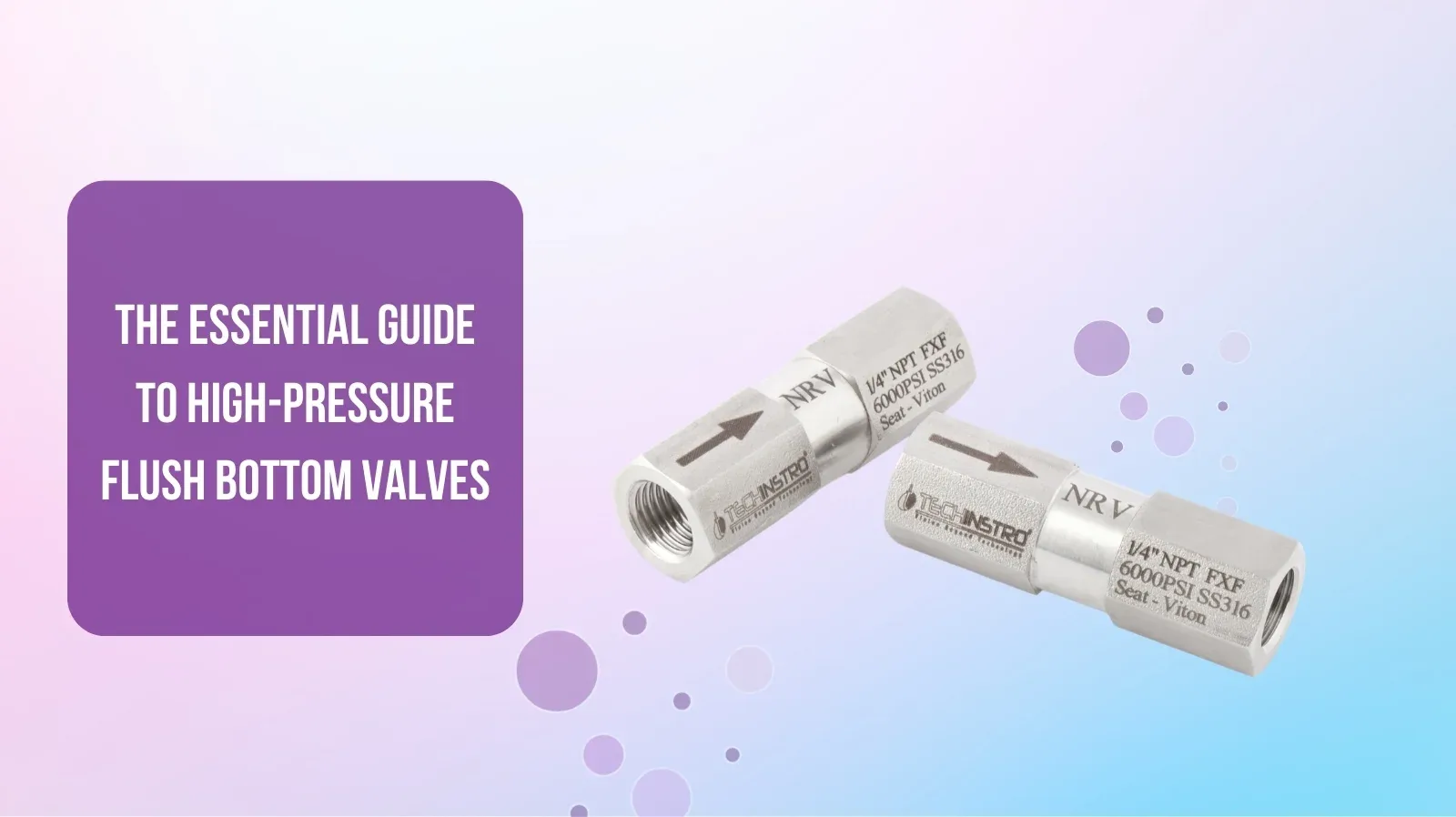
In industries transporting gases or fluids under extreme pressure, safety and efficiency are crucial. Whether in oil and gas, chemical processing, or hydraulic power, the High-Pressure Non-Return Valve (check valve) plays a vital role.
Before diving in, it’s essential to understand the factors that impact your valve choice. This guide breaks down everything you need to know about selecting the right variations and specifications for your high-pressure system.
What is a High-Pressure Non-Return Valve?
A Non-Return Valve allows fluid to flow in one direction, preventing backflow that can damage pumps, contaminate processes, or cause system failures in high-pressure environments.
Key Factors to Consider: A Buyer’s Checklist
Pressure Rating
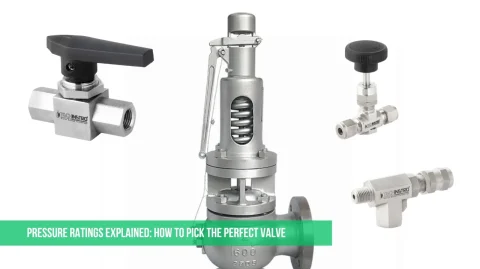
Since you are looking for a high-pressure solution, the first step is defining your system’s pressure requirements. These valves are typically rated for pressures ranging from 3,000 PSI (pounds per square inch, a unit of pressure) to 10,000 PSI. Ensure the valve’s Maximum Working Pressure (MWP), which is the highest pressure the valve can safely handle, exceeds your system’s peak pressure.
Material of Construction
High pressure often comes with high temperature or corrosive media.
- Stainless Steel (316/316L): Considered the gold standard for corrosion resistance and durability. Type 316/316L refers to specific grades of stainless steel with high corrosion resistance, especially against chemicals.
- Carbon Steel: Suitable for non-corrosive industrial applications.
- Exotic Alloys: For extreme chemical environments where standard steel might fail.
Cracking Pressure
This is the minimum pressure required to open the valve. If your system operates at low differentials, you need a valve with a low cracking pressure to prevent it from staying shut when it should be open.
End Connections
How will it fit into your pipeline? Common options include:
- NPT/BSP Threaded: NPT (National Pipe Thread) and BSP (British Standard Pipe) are standard types of screw threads, commonly used for smaller pipelines.
- Socket Weld/Butt Weld: These are types of welded pipe connections. Socket welds involve inserting a pipe into a recessed area of a fitting, while butt welds join two pipes end to end for a permanent, leak-proof high-pressure joint.
- Flanged: This is a pipe connection method using flanges, or flat rims, that are bolted together. Flanges are used for larger industrial setups because they are easier to assemble/disassemble for maintenance.
Common Variations of High-Pressure NRVs
Depending on your specific application, the internal mechanism of the valve can vary:
Piston-Type NRV (Non-Return Valve, meaning a valve that blocks reverse flow)
Commonly used in high-pressure gas and liquid systems. A piston moves up to allow flow and is pushed back down by a spring or gravity to seal against backflow. It offers an excellent, tight seal.
Best for: Consistent high-pressure liquid lines.
Ball Check Valve
Instead of a piston, a spherical ball sits on a seat inside the valve. This design is simple, robust, and often used in viscous fluids (liquids that are thick or sticky) or systems where “chatter” (rapid opening and closing due to flow fluctuation) might be an issue.
Best for: Slurries or fluids with small particles.
Swing Check Valve
A disc swings on a hinge inside the valve body. While less common in ultra-high-pressure applications than piston types, swing check valves offer very low flow resistance (meaning they let fluids move with minimal restriction).
Best for: Large volume flow systems.
Maintenance Tips for Longevity
- Inspect Seals Periodically: In high-pressure systems, internal O-rings (rubber or elastomer sealing rings) or metal seats (the area the valve seals against) can wear over time due to friction.
- Clean the Media: Ensure the fluid is free of large debris that could prevent the valve from seating or sealing properly.
- Check the Spring Tension: In spring-loaded NRVs, a spring closes the valve. Ensure the spring’s tension remains consistent to avoid “fluttering” (rapid, small movements of the valve) or delayed closing.
Conclusion
Choosing the right high-pressure non-return valve requires balancing your system’s pressure, the fluid’s nature, and the required flow rate. By selecting a valve with the appropriate material and mechanism, you ensure your system remains safe, efficient, and free of backflow hazards.