

In the world of industrial fluid control, not all valves are created equal. When your operations involve extreme force, volatile fluids, or critical safety standards, a standard valve simply won’t cut it. Enter the High-Pressure Ball Valve, the powerhouse of the piping world.
Whether you are managing hydraulic systems or offshore oil rigs, understanding the nuances of these valves is essential for safety and efficiency. In this blog, we’ll dive into the variations, applications, and a comprehensive buying guide for high-pressure ball valves.
What is a High-Pressure Ball Valve?
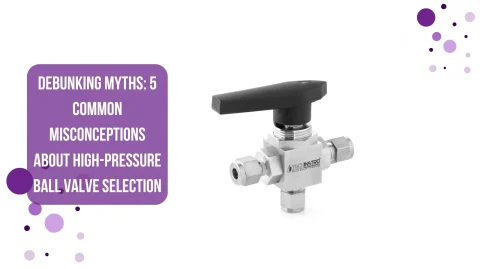
A high-pressure ball valve is a quarter-turn valve with a ball-shaped disc that starts or stops fluid flow. Built with reinforced materials and advanced seals, it handles over 5,000 PSI.
Common Variations of High-Pressure Ball Valves
To choose the right valve, you must first understand the different configurations available:
Two-Way vs. Three-Way Valves
Two-Way: The most common type, used for simple on/off control.
Three-Way: Used for diverting or mixing fluids. These are ideal for complex hydraulic circuits where flow needs to be redirected between different ports.
Floating Ball vs. Trunnion Mounted
Floating Ball: The ball is held by two seat rings. Under high pressure, the ball drifts slightly toward the downstream seat, creating a tight seal.
Trunnion Mounted: The ball is supported by a shaft (trunnion) at the bottom. This is preferred for extremely high-pressure or large-diameter applications because it reduces torque and prevents seat wear.
Bore Sizes: Full Bore vs. Reduced Bore
Full Bore: The hole in the ball is the same size as the pipe, ensuring minimal pressure drop and easy cleaning.
Reduced Bore: The Ball Valve hole is smaller than the pipe, suitable for applications where flow is not the main concern.
Key Applications of High-Pressure Ball Valves
High-pressure ball valves protect industries where failure is not an option:
Oil & Gas: Used in wellhead control, chemical injection, and gas processing plants.
Hydraulic Systems: Essential for heavy machinery, manufacturing presses, and lifting equipment.
Water Treatment: High-pressure desalination and reverse osmosis systems rely on these for durability against corrosive brine.
Chemical Processing: Handling aggressive chemicals at high velocities and pressures requires the robust sealing offered by high-grade stainless steel ball valves.
Buying Guide: How to Choose the Right Valve
Selecting the wrong Ball Valve can lead to leaks, system downtime, or even catastrophic failure. Here is what you need to consider before purchasing:
Pressure Rating
Always verify the Working Pressure (WP). Ensure the valve is rated for at least 20% more than your system’s maximum operating pressure to account for surges.
Material Compatibility
Body: For high-pressure, 316 Stainless Steel or Carbon Steel is the gold standard. Stainless steel offers superior corrosion resistance.
Seats/Seals: Use materials like Delrin, PEEK, or PTFE. PEEK works for high temperatures and pressure.
Connection Type
Depending on your piping, you may need:
NPT (Threaded): Easy to install for smaller lines.
Welded: Ideal for permanent, leak-proof connections in high-vibration situations.
Flanged: Chosen for large pipelines, providing easy maintenance access.
Temperature Range
Extreme temperatures can damage seals and metal. Confirm components work with your environment.
Certification and Quality
Ensure the manufacturer follows international standards such as API 6D, ISO 9001, or CE certification. Quality testing (like hydrostatic testing) ensures the valve won’t fail under load.
Why Quality Matters
When dealing with high pressure, cheap often becomes expensive. Investing in a valve from a reputable manufacturer ensures precision machining, which results in lower operating torque and a much longer lifecycle.
For high-performance options, you can explore the range of High-Pressure Ball Valve Manufacturers and suppliers that specialize in valves designed for the most demanding industrial environments.
Conclusion
High-pressure ball valves are critical components that ensure the safety and productivity of your facility. By understanding the variations from trunnion mounts to material choices and following a strict buying guide, you can optimize your fluid control systems for years to come.