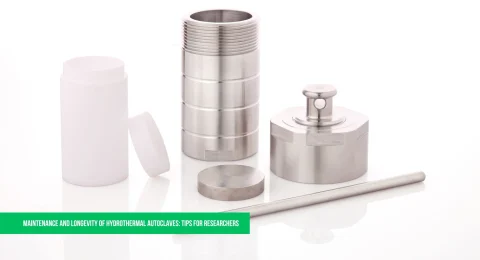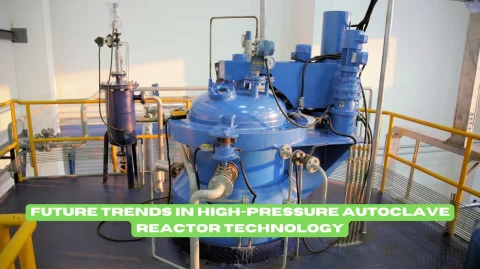

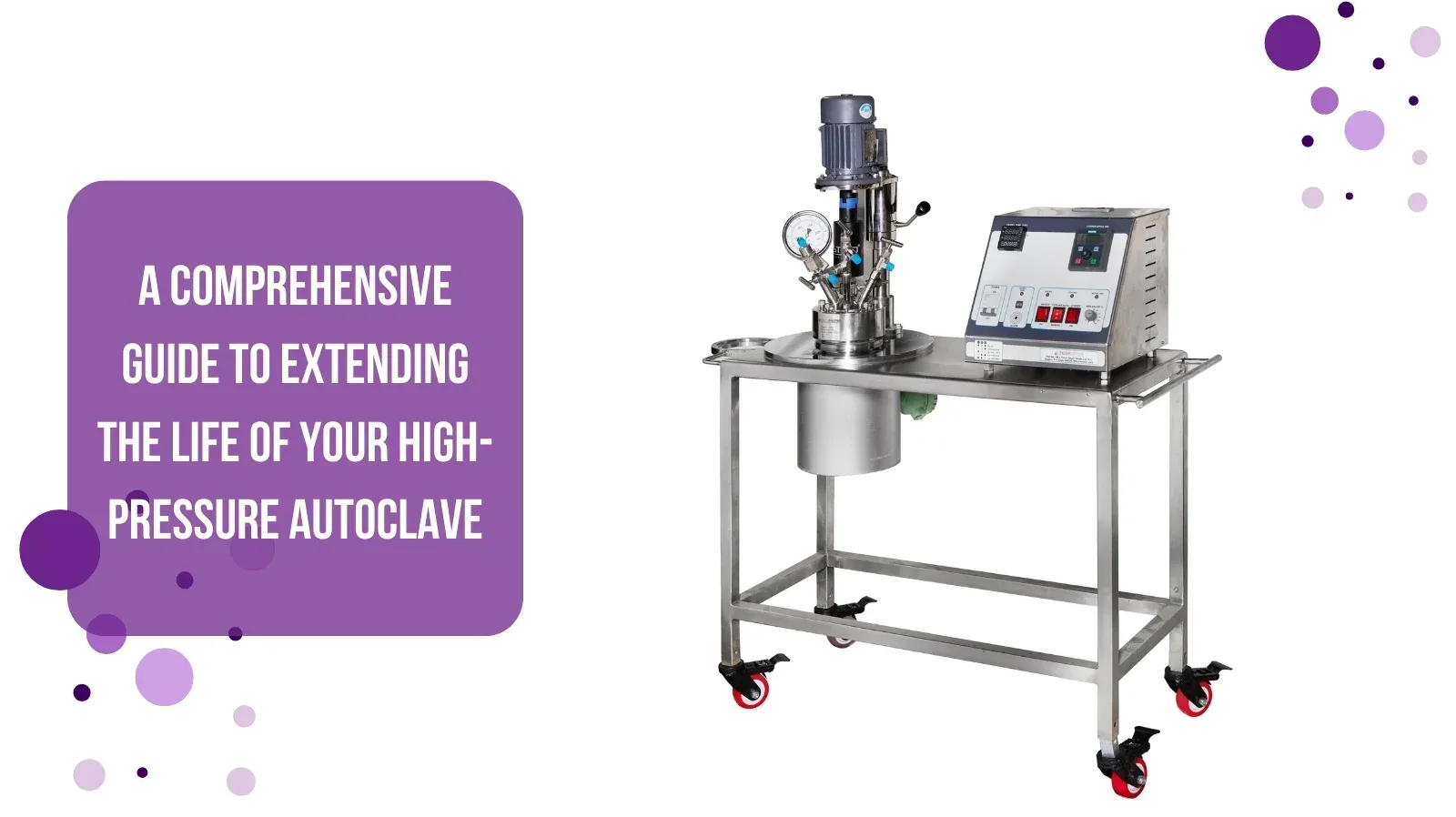
In the world of chemical research and industrial production, a High-Pressure Autoclave Reactor is a significant investment. These precision-engineered vessels are built to withstand extreme environments, intense heat, high pressures, and often corrosive chemicals. However, even the most robust reactor from a top-tier manufacturer is subject to wear and tear.
Kindly ensure your High Pressure Autoclave Reactor remains safe, accurate, and operational for decades, not just years. Follow this comprehensive maintenance and care guide.
The Golden Rule: Post-Reaction Cleaning
The single greatest threat to an autoclave’s lifespan is residual chemicals. Even inert residues can become corrosive when subjected to the heat of the next cycle.
Immediate Action: Always clean the vessel immediately after it has cooled.
Material Specifics: Use cleaning agents that are compatible with your vessel material (SS316L, Hastelloy, or Titanium). Avoid abrasive scrubbers that can scratch the polished internal surface, as scratches can become breeding grounds for pitting corrosion.
Prioritize Seal and Gasket Integrity
The seals are the weakest link in any high-pressure system. A compromised seal doesn’t just ruin an experiment; it poses a major safety risk.
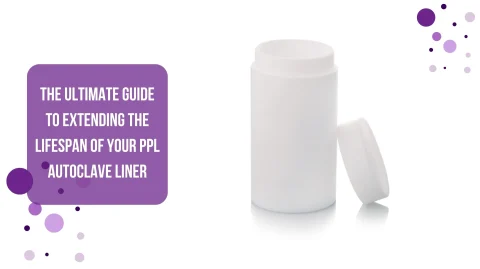
Lubrication: If using O-rings or soft seals, ensure they are lightly lubricated with vacuum- or high-temperature-grade grease (such as Krytox), as recommended by the manufacturer.
Visual Inspection: Before every run, check for cracks, flattening, or brittleness.
Pro-Tip: Always keep a Seal Kit in stock. Waiting for a replacement part to ship can lead to weeks of laboratory downtime.
Care for the Magnetic Drive Stirrer
Most modern high-pressure reactors use a magnetic drive to ensure a leak-proof seal.
Bearing Wear: The internal bearings are water or air-cooled. Ensure the cooling lines are clear of scale or mineral buildup.
Don’t Run Dry: Never run the stirrer at high speeds in an empty vessel, as this can cause friction-induced heat damage to the internal bushings.
Monitor for Creep and Metal Fatigue
Metal creep occurs when a material is stressed at high temperatures over long periods.
Log Every Run: Keep a meticulous log of the temperature, pressure, and duration of every reaction.
Hydrostatic Testing: Depending on your local regulations and usage intensity, have the vessel hydro-tested every 2–5 years to ensure the structural integrity of the metal remains intact.
Prevent Thread Galling
If your autoclave uses bolts or a threaded nut closure system, a common enemy is wear caused by adhesion between sliding surfaces.
High-Temp Anti-Seize: Apply a high-quality, high-temperature anti-seize lubricant to the threads of the main bolts regularly. This ensures the vessel can be opened and closed smoothly without stripping the metal.
Inspect Safety Devices (Rupture Disks)
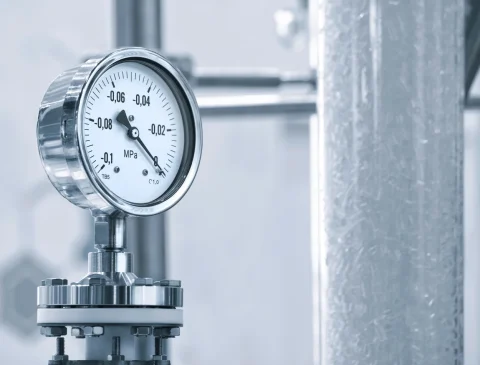
The Rupture Disk or Pressure Relief Valve (PRV) is your last line of defense.
Corrosion Check: Ensure the discharge side of the rupture disk is free of debris and corrosion.
Replacement: Rupture disks have a shelf life. Even if they haven’t blown, replace them according to the manufacturer’s timeline (usually every 12–24 months), as metal fatigue can change their burst pressure over time.
Conclusion: Safety and Longevity Go Hand-in-Hand
Extending the life of your High-Pressure Autoclave is not just about saving money; it is about ensuring a safe laboratory environment. A well-maintained reactor provides more consistent data, higher yields, and peace of mind for the operator.
By implementing a strict cleaning protocol, regularly lubricating threads and seals, and keeping a detailed usage log, you can ensure that your reactor remains a reliable workhorse in your lab for 20 years or more.