
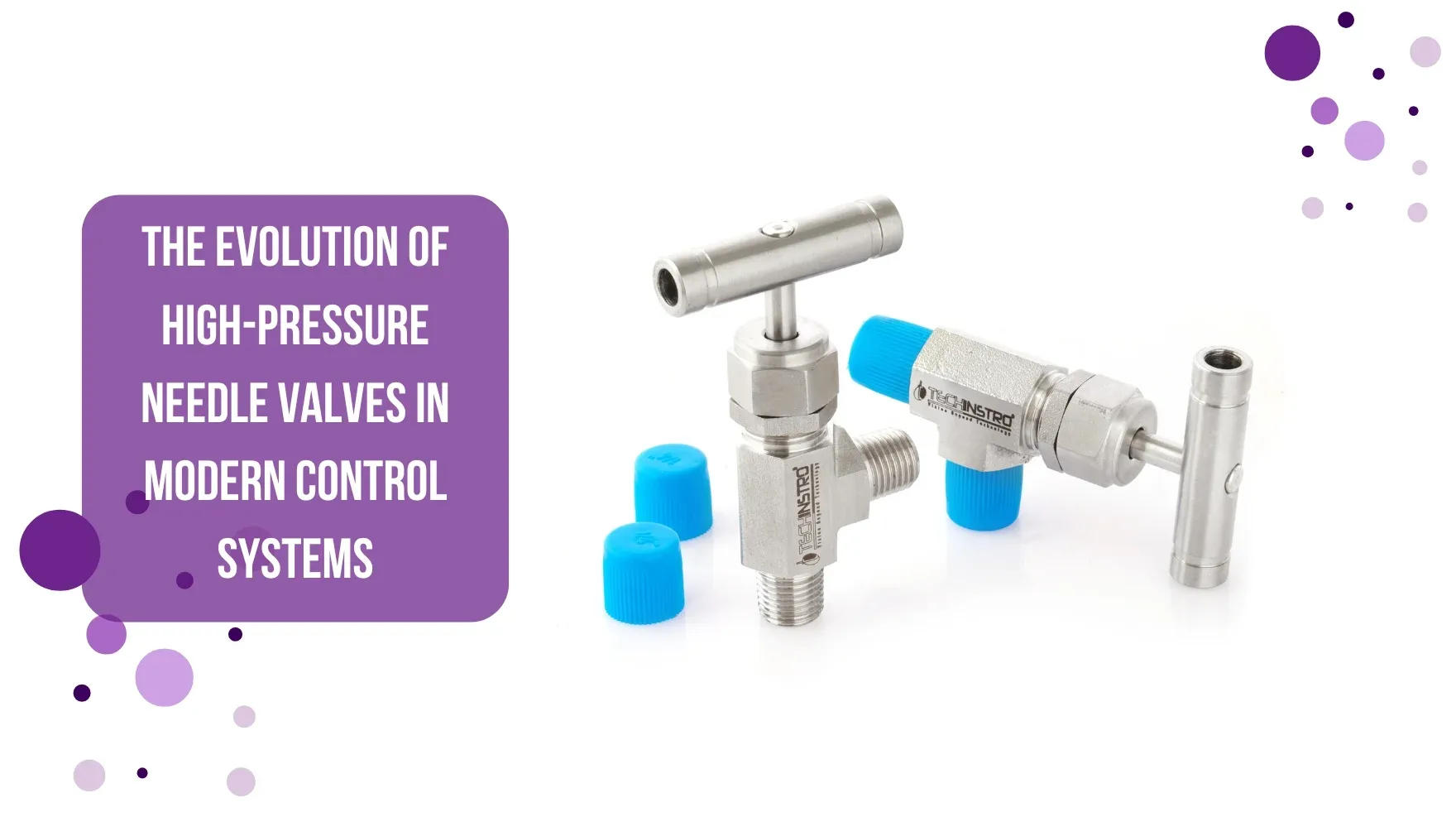
Introduction: A Precision Tool Transformed
For decades, high-pressure needle valves enabled precise control in many industries. Once only manual and operator-dependent, they now function as intelligent, automated components.
The Manual Era: Precision at Human Scale
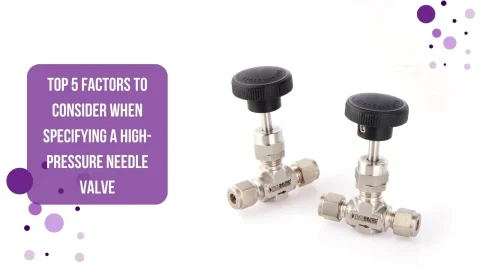
Manual needle valves allowed precise multi-turn adjustments but required skilled operators and constant attention.
However, manual operation came with limitations:
- Required constant human supervision
- Limited to single-point control
- No remote operation capability
- Susceptible to human error
- Difficulty in maintaining consistent settings over time
The Automation Revolution
Modern industry needs more than manual valves. Greater demands for efficiency, safety, and data push the transition to automated needle valves.
Integration Technologies Enabling the Shift
- Actuator Integration: Electric, pneumatic, and hydraulic actuators now turn manual handwheels into remotely controllable components. Stepper motor actuators now allow the same precision adjustments, programmable and repeatable.
- Sensor Embedding: Automated valves feature embedded sensors that provide real-time feedback on valve position, pressure, and flow to control systems.
- Communication Protocols: Automated needle valves use communication protocols such as PROFIBUS, Modbus, Ether CAT, and Wireless HART, making them easy to integrate with modern control systems.
- Smart Control Algorithms: Advanced controls make micro-adjustments to maintain optimal flow even as conditions shift.
Benefits of Automated High-Pressure Needle Valves
Enhanced Precision and Consistency
Automation ensures consistent results, regardless of operator changes.
Remote Operation and Monitoring
A remote control allows safe operation and simultaneous adjustment from the control room.
Integration with Larger Systems
Automated needle valves adjust position automatically using:
- Downstream analytical instrument readings
- Production rate requirements
- Safety system triggers
- Predictive maintenance algorithms
Data Collection and Analysis
Valve actions generate data for predictive maintenance and process improvement.
Safety Enhancements
Automated valves respond to emergencies, moving to safe positions without human action.
Compatibility Challenges
Not all manual needle valves can be easily automated. Considerations include:
- Torque requirements for existing valves
- Space constraints for actuator mounting
- Stem design compatibility
- Pressure ratings under automated operation
System Integration
Successful implementation requires careful planning:
- Control system architecture redesign
- Power and communication infrastructure
- Operator training and interface design
- Fail-safe and manual override provisions
Cost-Benefit Analysis
Automation costs more upfront, but often delivers ROI through:
- Reduced labor requirements
- Decreased process variability
- Improved product quality
- Enhanced safety record
- Extended valve life through controlled operation
Case Studies: Automation in Action
Chemical Processing
Automating catalyst injection valves increased yield consistency by 15% and removed operator exposure risks.
Oil and Gas Testing
A well-testing firm automated valves to achieve precise choke pressures, robust data quality, and remote operation in harsh environments.
Research and Development
A lab automated its high-pressure test rig to achieve repeatable overnight results and reduce labor requirements.
The Future: Intelligent Needle Valves
Needle valves are evolving from automated to intelligent:
Self-Diagnostic Capabilities: Valves that monitor their own health, detecting seat wear, stem packing condition, and actuation performance.
Adaptive Control: Valves learn optimal settings and automatically adjust to changing process conditions.
Edge Computing: Valves with processing capability to make local control decisions without constant communication with central systems.
Conclusion: Embracing the Automated Future
Switching from manual to automated needle valves brings integrated, intelligent control.
Facilities with manual valves need careful, phased upgrades. Automation brings safety, efficiency, better data, and remote control, all of which are now essential for modern operations.
Success means keeping precision and reliability while adding automation capabilities.