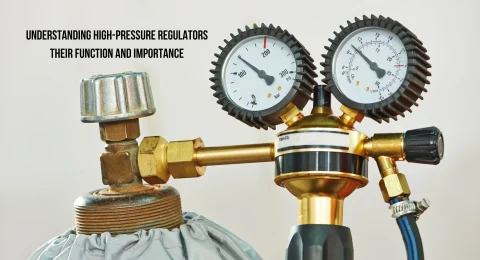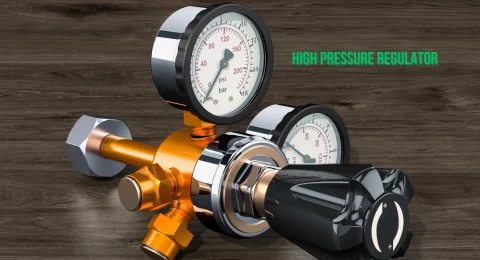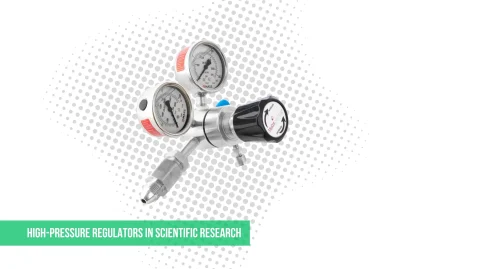

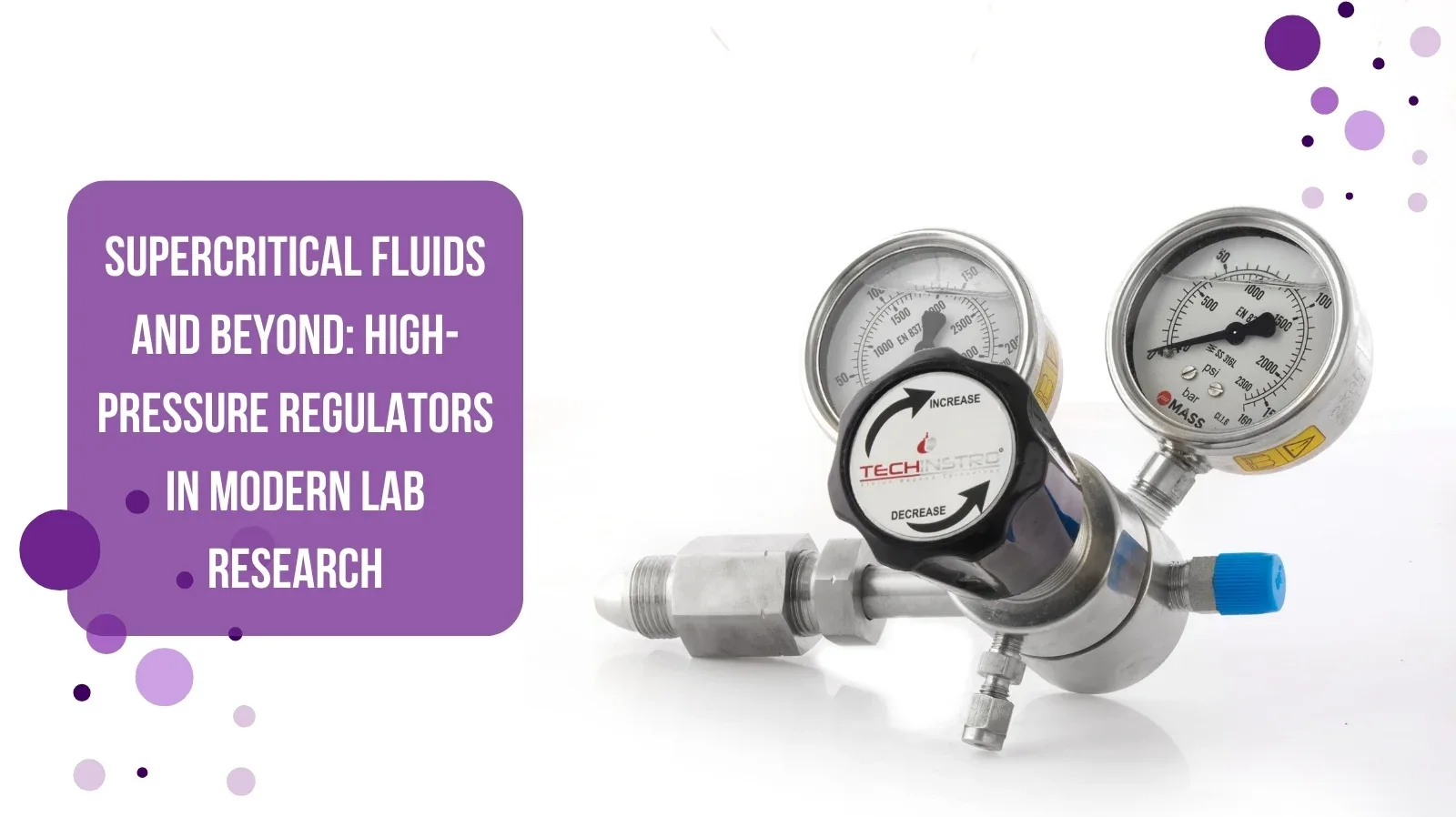
In the world of advanced scientific research, precision isn’t just a goal; it’s a requirement. From pharmaceutical development to sustainable energy solutions, the ability to control gases and liquids at extreme pressures has opened doors to Supercritical Fluids. At the heart of these groundbreaking experiments sits a silent hero: the High-Pressure Regulator.
Understanding the Supercritical Frontier
Supercritical fluid occurs when a substance is pushed beyond its critical point of temperature and pressure. In this state, it ceases to be a simple liquid or gas. Instead, it adopts the best of both worlds. It can pass gas through solids but dissolve materials like a liquid.
The most common example is Supercritical CO2, which is widely used for decaffeinating coffee and extracting essential oils without using toxic chemicals. However, achieving and maintaining this state requires hardware that can handle immense stress without a flicker of instability.
Why High-Pressure Regulators are Essential
In a laboratory setting, a standard regulator simply won’t cut it. Here is why high-pressure models (often handling upwards of 3,000 to 6,000 PSI) are the backbone of modern research:
Stability in Extraction
During supercritical fluid extraction (SFE), the pressure must remain rock-solid. Even a minor fluctuation can alter. The fluid’s density disrupts the extraction process, leading to inconsistent data. High-pressure regulators ensure a set-it-and-forget-it flow that protects the integrity of the sample.
Material Integrity and Purity
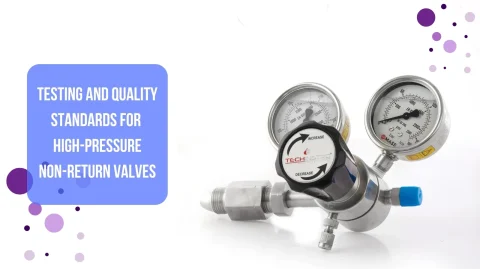
Modern labs often work with high-purity gases. Advanced regulators, like those used by industry leaders, feature electropolished surfaces and stainless-steel components. This prevents outgassing or contamination, ensuring that only the gas you intended enters your experiment.
Safety in High-Stress Environments
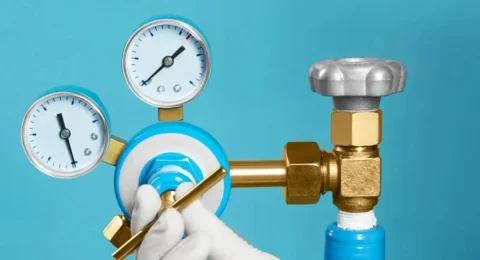
Working with 200+ bar of pressure is inherently dangerous. Research-grade regulators are designed with safety bypasses, robust poppet assemblies, and leak-proof seals. They act as the first line of defense between a high-energy cylinder and a delicate glass reactor.
Applications Beyond Extraction
While extraction is the most famous use, these regulators are pushing boundaries in other areas:
Carbon Capture: Researchers use high-pressure systems to study how CO2 can be stored underground in rock formations.
Aerospace Testing: Simulating the high-pressure environments of jet engines or rocket thrusters requires precise gas delivery.
Nanotechnology: Controlling the deposition of materials at the molecular level often requires high-pressure carrier gases.
Conclusion
As lab research moves toward greener chemistry and more complex materials, the demand for precision will only grow. The high-pressure regulator is no longer just a piece of plumbing; it is a sophisticated control instrument. By allowing scientists to master supercritical fluids, these devices are helping us create a cleaner, more efficient future.
Whether you are extracting rare botanical compounds or testing the next generation of clean fuels, investing in a high-quality pressure system is the key to unlocking the “Supercritical” potential of your lab.