
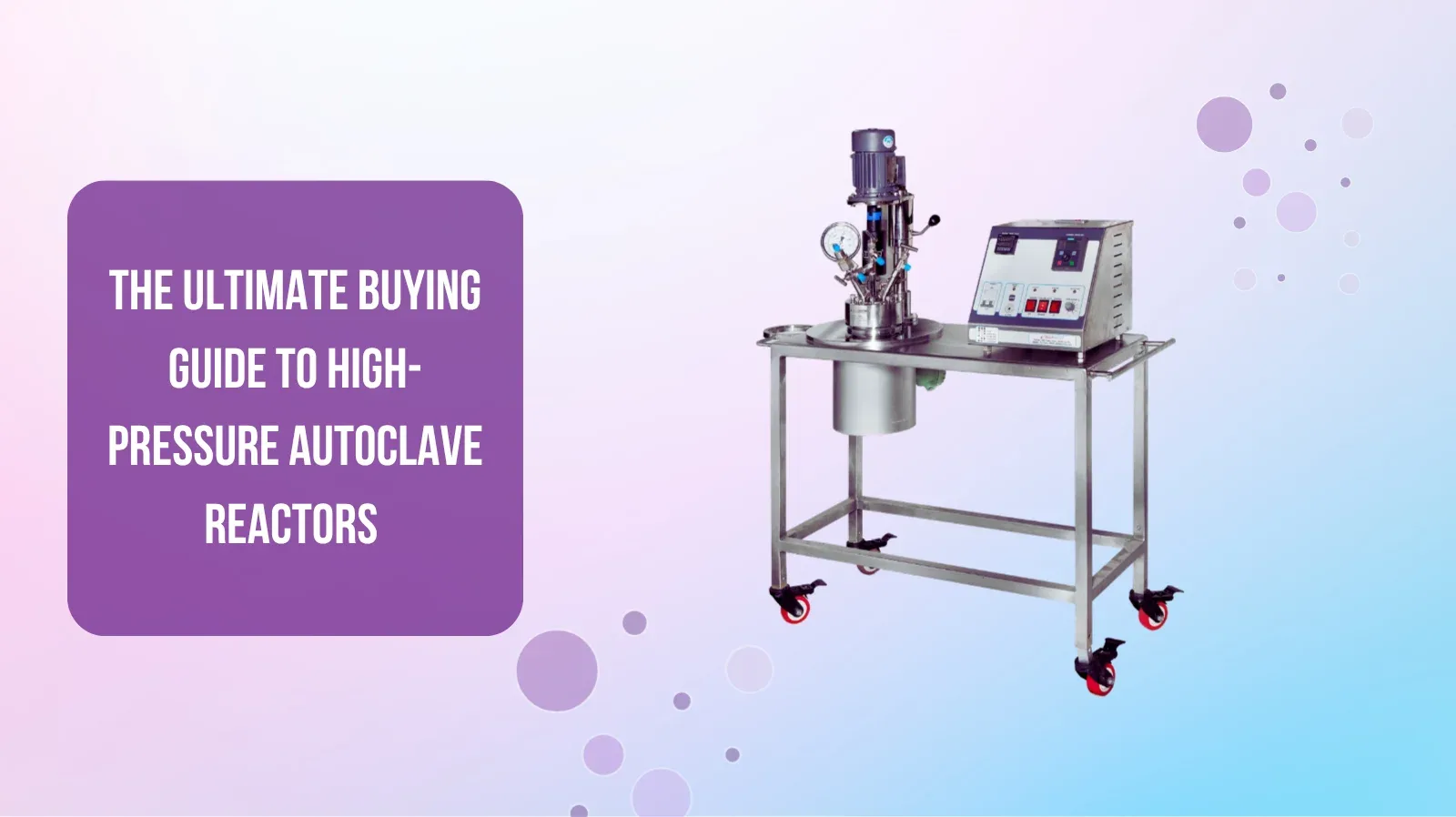
In chemical synthesis, material science, and pharmaceutical R&D, equipment choice is crucial. A High-Pressure Autoclave Reactor is a key tool that enables reactions at higher temperatures and pressures than those achievable with standard solvent boiling points.
Before diving in, consider key factors that can make or break your reactor selection. Whether scaling up a pilot plant or outfitting a new lab, this guide helps you choose the right manufacturer and reactor configuration.
What is a High-Pressure Autoclave Reactor?
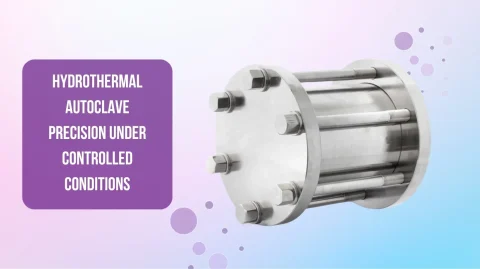
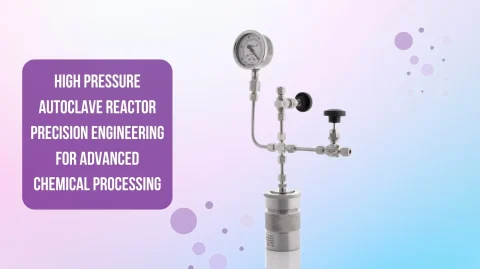
A high-pressure autoclave is a sealed vessel designed to conduct chemical reactions, sterilizations, or material processing under elevated pressure (typically up to 700 bar) and temperature (up to 600°C). Unlike standard glass reactors, these are built from high-strength alloys to ensure safety and containment of volatile or hazardous substances.
Key Variations: Choosing the Right Setup
Not all reactors are created equal. Depending on your chemistry, you’ll need to choose between several core variations:
Stirred vs. Non-Stirred (Static)
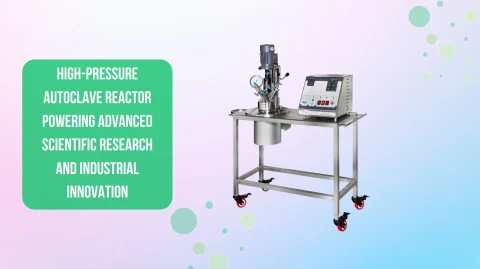
Stirred Reactors: Equipped with a magnetic drive or mechanical agitator. Essential for gas-liquid reactions (like hydrogenation) where mass transfer is critical.
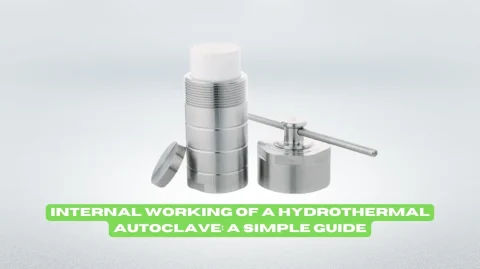
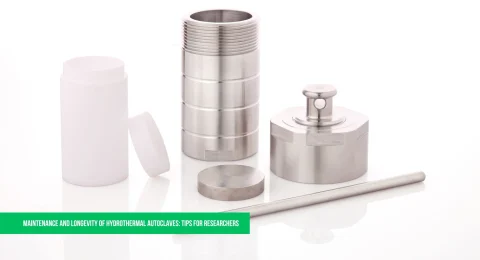
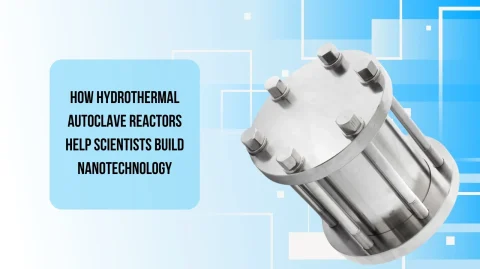
Static Autoclaves: Often called synthesis bombs, these are used for hydrothermal synthesis or simple aging tests where stirring isn’t required.
Material of Construction (MOC)
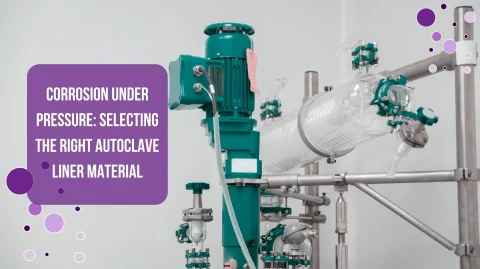
The chemistry dictates the metal. Choosing the wrong MOC can lead to catastrophic corrosion.
SS 316/316L: The industry standard for general organic synthesis.
Hastelloy (C276/C22): Superior for highly acidic or corrosive media (e.g., HCl, high-chloride environments).
Titanium/Zirconium: Used for specialized applications involving oxidizing acids or high-purity requirements.
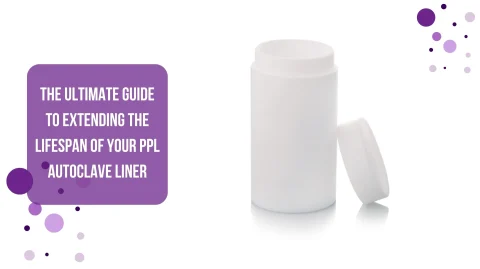
PTFE/Glass Lined: Ideal for metal-free reactions or handling aggressive chemicals at lower temperatures (up to 250°C).
Heating & Cooling Methods
Electric Jacket: Fast heating, great for high-temp lab work.
Fluid Jacket: Uses an external circulator for precise temperature control and rapid cooling (essential for exothermic reactions).
Industrial & Laboratory Applications
High-pressure reactors are versatile tools used across several high-tech sectors:
| Industry | Common Applications |
| Pharmaceuticals | Hydrogenation, API synthesis, and catalyst screening. |
| Petrochemicals | Catalytic cracking, hydro-isomerization, and polymer research. |
| Material Science | Hydrothermal synthesis of nanomaterials and carbon nanotubes. |
| Renewable Energy | Biomass gasification and CO2 capture studies. |
| Environmental | Catalytic degradation of pollutants and waste-to-energy conversion. |
Buying Guide: What to Look for in a Supplier
When choosing a manufacturer or supplier, consider more than just price. Safety and certification are critical in high-pressure environments.
Step 1: Check Certifications
Ensure the manufacturer complies with international pressure vessel codes:
ASME (U-Stamp): The gold standard for pressure vessel safety.
PED (Pressure Equipment Directive): Required for the European market.
CE/ATEX: Crucial if you are working in explosive environments (flammable gases).
Step 2: Evaluate the Sealing Technology
Look for Magnetic Drive Couplings. These provide a seal-less environment, eliminating the leakage risks associated with traditional stuffing boxes or mechanical seals must-have for high-pressure gas reactions.
Step 3: Automation & Control
Modern 2026-standard reactors should offer:
PID Control: For precise temperature and pressure ramp-up.
Data Logging: To record batch parameters for reproducibility.
Safety Interlocks: Automatic shut-off valves and rupture discs (over-pressure protection).
Conclusion
A High-Pressure Autoclave Reactor is a key investment in lab safety and productivity. Focus on the right Material of Construction and necessary safety certifications to keep your research secure. Select suppliers with expertise in pressure engineering, whether you need a compact lab unit or a large pilot plant.