
In modern science and industrial manufacturing, some discoveries can only happen under extreme conditions. Ordinary laboratory equipment often fails when reactions demand intense heat, powerful pressure, and complete environmental control. This is where the high-pressure autoclave becomes indispensable.
More than just a reactor vessel, a high-pressure autoclave is a controlled environment engineered to push materials beyond their normal limits—unlocking reactions, compounds, and innovations that shape industries ranging from pharmaceuticals to nanotechnology.
What is a High-Pressure Autoclave?
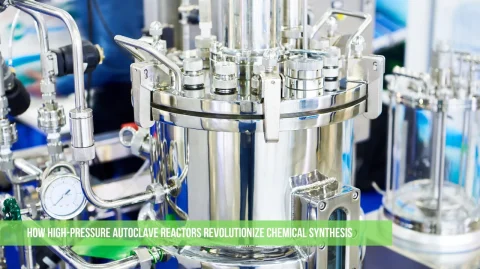
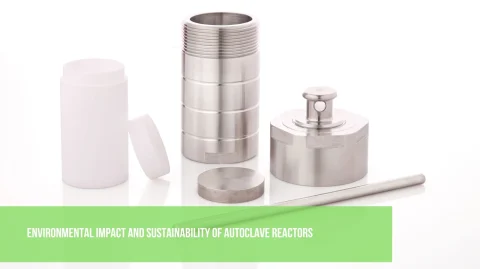
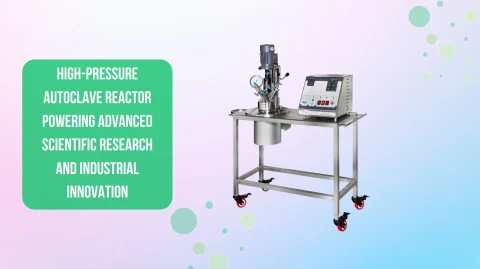
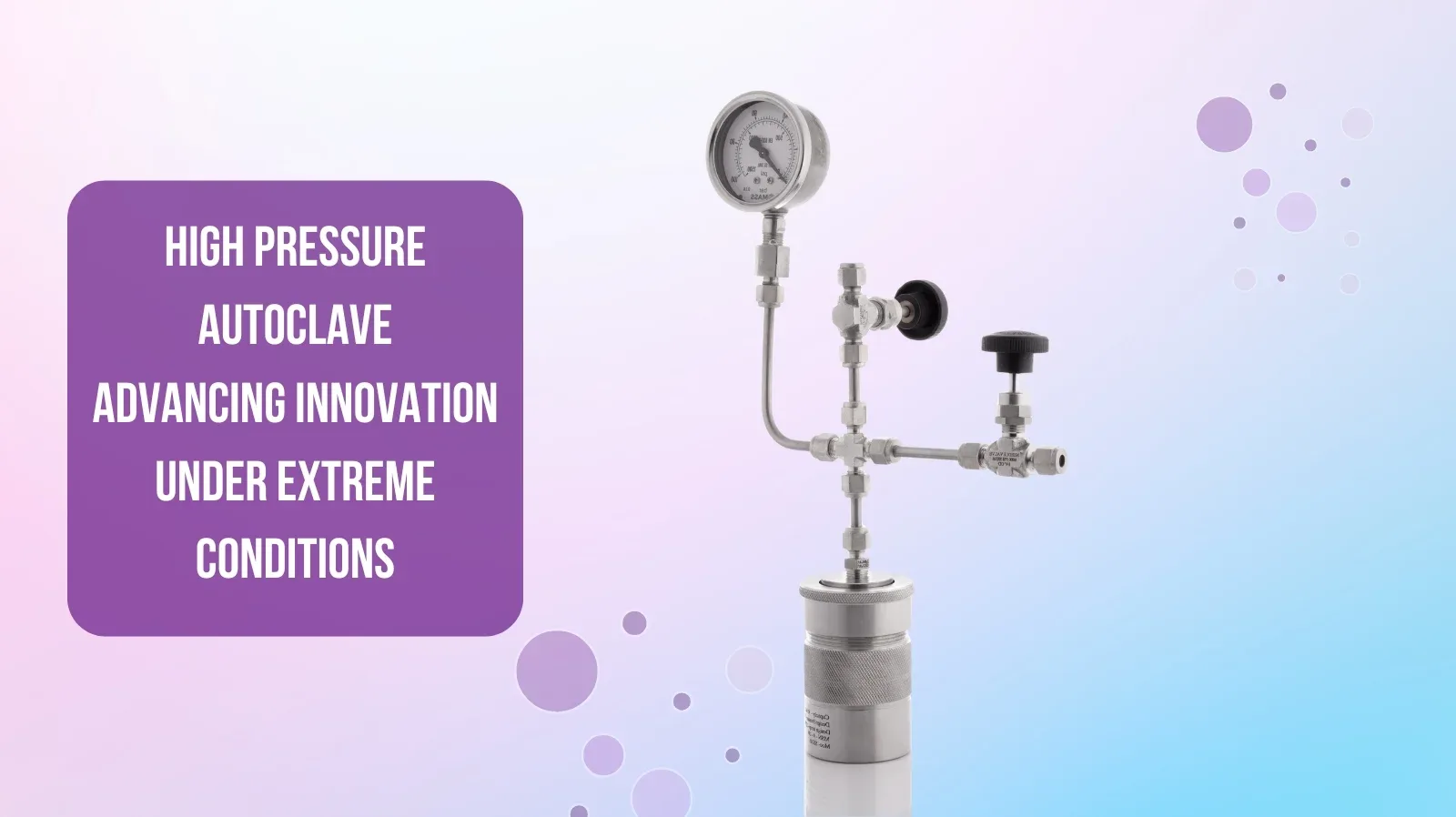
A high-pressure autoclave is a sealed pressure reactor designed to perform chemical reactions safely and efficiently at elevated temperatures and pressures. These systems are constructed using high-strength materials, such as stainless steel, Hastelloy, Inconel, or other corrosion-resistant alloys, to withstand demanding operating conditions.
Unlike standard reaction vessels, high-pressure autoclaves can simulate environments similar to those found deep underground, inside industrial processing plants, or even within extreme chemical manufacturing systems.
The Science Behind the Pressure
Pressure changes chemistry in remarkable ways.
When reactions occur under high pressure:
Molecules collide more frequently.
Reaction rates increase
Solubility improves
New chemical pathways become possible.
Material structures can transform completely.
This controlled environment enables scientists and engineers to synthesize advanced materials, improve yields, and create products that cannot be produced under atmospheric conditions.
In many applications, pressure is not simply a condition; it becomes an active parameter in determining the final product.
Core Components of a High-Pressure Autoclave
A modern high-pressure autoclave is carefully designed for both performance and safety.
Reactor Vessel
The main chamber where reactions occur. It is engineered to tolerate extreme internal pressure and temperature.
Heating System
External electric heaters or jacketed systems provide uniform heating for precise thermal control.
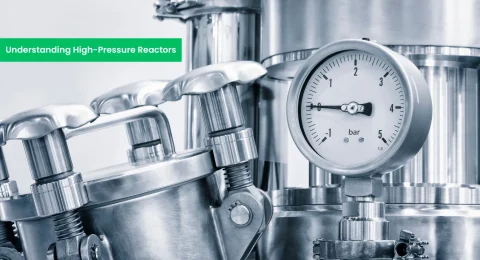
Pressure Control Mechanism
Advanced gauges, valves, rupture discs, and controllers regulate internal pressure safely and effectively.
Agitation System
Mechanical stirrers or magnetic drives ensure uniform mixing of reactants during reactions.
Sealing Technology
Leak-proof sealing systems maintain reaction integrity even under severe operating conditions.
Unique Advantages of High-Pressure Autoclaves
Enhanced Reaction Efficiency
High pressure dramatically accelerates many chemical reactions, reducing process time.
Superior Product Quality
Controlled environments improve purity, consistency, and crystal formation.
Versatility
These autoclaves can process liquids, gases, slurries, and corrosive chemicals across countless applications.
Extreme Process Capability
They allow researchers to explore conditions impossible in open-air systems.
Industrial Applications
The influence of high-pressure autoclaves extends across numerous industries.
Chemical Manufacturing
Used for hydrogenation, polymerization, catalyst testing, and specialty chemical synthesis.
Pharmaceutical Industry
Supports drug synthesis, sterilization processes, and high-purity compound production.
Nanotechnology
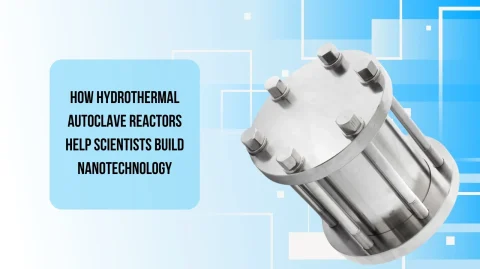
Essential for producing nanoparticles, graphene derivatives, quantum materials, and advanced nanostructures.
Petrochemical Sector
Enables testing and processing under refinery-like conditions.
Energy Research
Used in hydrogen storage studies, battery material development, and fuel cell research.
Aerospace and Advanced Materials
Supports composite curing and high-performance material development.
The Role of Safety
Working under extreme pressure requires exceptional engineering discipline.
Modern high-pressure autoclaves are equipped with:
Automatic pressure release systems
Temperature cutoffs
Digital monitoring interfaces
Emergency shutdown controls
Corrosion-resistant construction
These safety systems ensure reliable operation even during highly demanding experiments and industrial processes.
The Future of High-Pressure Processing
The next generation of high-pressure autoclaves is becoming smarter, faster, and more sustainable.
Emerging innovations include:
AI-assisted process monitoring
Remote automation and data logging
Energy-efficient heating systems
High-throughput reactor designs
Green chemistry integration
As industries pursue cleaner technologies and advanced materials, high-pressure systems will continue to play a central role in scientific progress.
Final Thoughts
The high-pressure autoclave represents more than industrial equipment—it represents controlled possibility. Inside its sealed chamber, ordinary materials experience extraordinary conditions, leading to discoveries that drive technology forward.
From creating advanced nanomaterials to supporting pharmaceutical innovation, the high-pressure autoclave remains one of the most powerful tools in modern research and manufacturing.
In many ways, innovation itself begins where pressure rises.