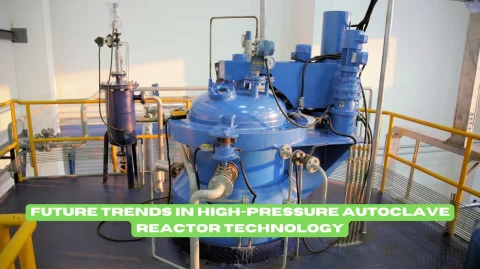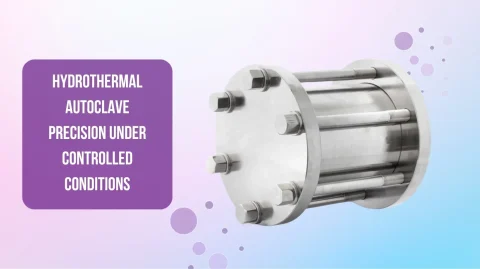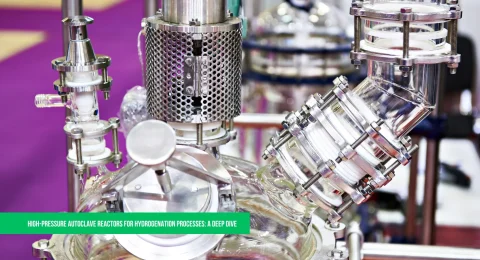

As industries move toward more complex chemical processes and advanced materials, the need for controlled reaction environments has become increasingly critical. The High Pressure Autoclave Reactor addresses this need by providing a sealed, high-performance system capable of handling extreme reaction conditions with precision and reliability. From laboratory research to pilot-scale production, it serves as a powerful tool for unlocking new possibilities in chemical synthesis and process development.
Why High Pressure Matters
Many chemical reactions either accelerate or become feasible only under elevated pressure and temperature. A High Pressure Autoclave Reactor allows researchers and engineers to:
- Increase reaction speed and efficiency
- Improve solubility of gases in liquids
- Achieve better crystallization and material properties
- Explore new reaction pathways
This makes it indispensable for innovation-driven industries.
Engineered for Performance
Robust Pressure Vessel Design
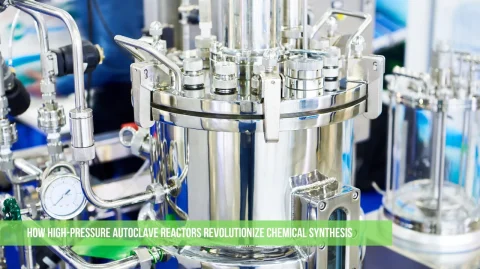
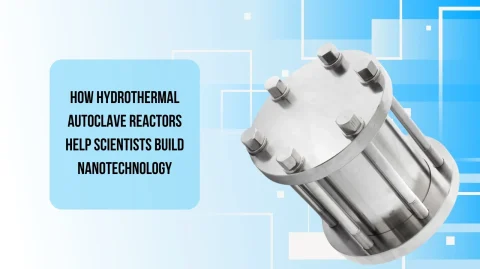
At the heart of the system is a thick-walled pressure vessel engineered to endure demanding operating conditions. The design ensures long-term durability, minimal deformation, and consistent performance even after repeated cycles.
High-Efficiency Heating System
The reactor is equipped with advanced heating solutions that provide rapid heat-up times and stable temperature maintenance. This consistency is essential for sensitive reactions where even slight variations can impact results.
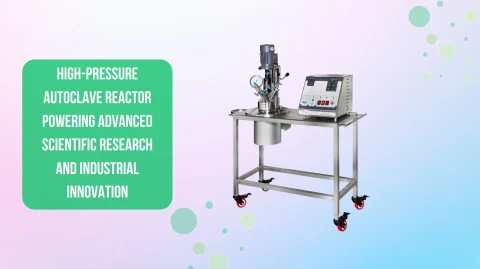
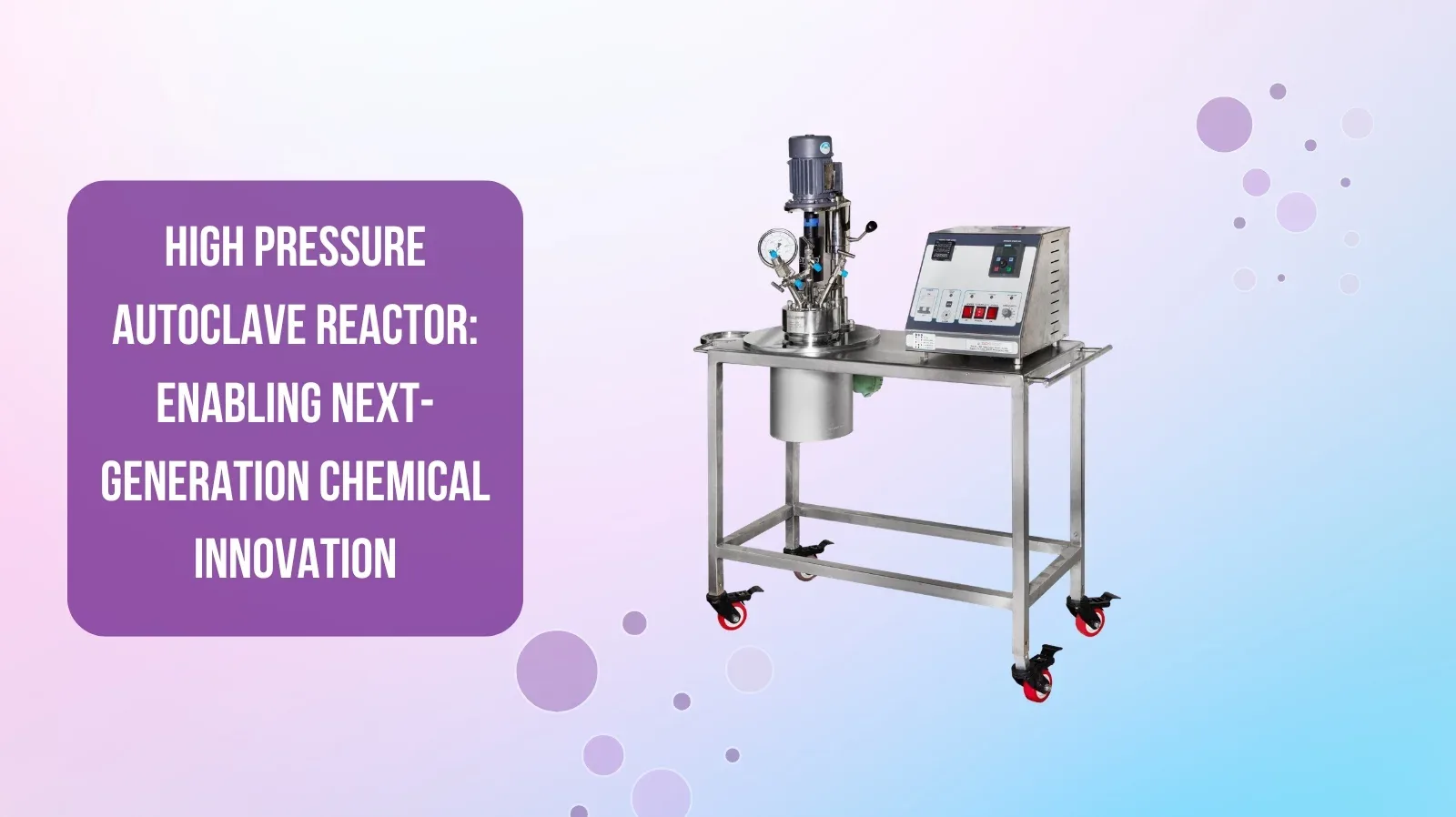
Integrated Stirring Technology
Uniform mixing is achieved through precision-engineered stirring systems that ensure:
- Even distribution of reactants
- Enhanced heat transfer
- Reduced reaction time
This is especially important for multi-phase and catalytic reactions.
Chemical Compatibility and Purity
To meet diverse application needs, reactors are designed with chemically resistant materials and optional inert linings. This ensures:
- No contamination of samples
- Compatibility with aggressive chemicals
- Long operational life
Smart Monitoring and Control
Modern reactors incorporate intelligent systems that provide:
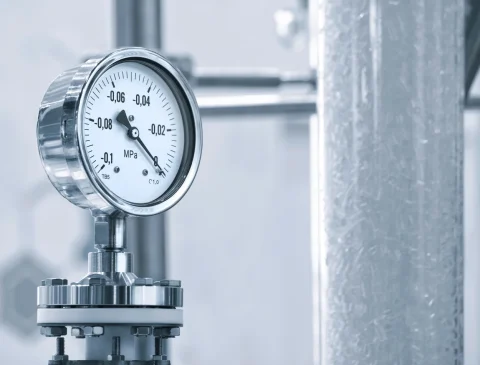
- Continuous monitoring of temperature and pressure
- Programmable process control
- Data recording for analysis and validation
These features help maintain consistency and support quality assurance processes.
Key Differentiators
- Designed for both research and industrial scalability
- Supports a wide range of chemical processes
- Engineered for safe operation under extreme conditions
- Modular design for easy upgrades and customization
- Reliable performance with low operational downtime
Real-World Applications
High Pressure Autoclave Reactors are widely adopted in:
- Advanced Materials Development – Synthesis of nanomaterials and specialty compounds
- Pharmaceutical Innovation – Drug discovery and reaction optimization
- Chemical Processing – High-pressure reactions and catalytic studies
- Energy Research – Hydrogenation and fuel-related experiments
- Academic Laboratories – Experimental validation and teaching
Operational Benefits
- Greater control over reaction environments
- Higher reproducibility of results
- Improved safety compared to open systems
- Efficient use of time and resources
- Capability to handle complex and high-risk reactions
Conclusion
The High Pressure Autoclave Reactor is a vital enabler of modern scientific and industrial progress. By offering a controlled environment for high-pressure and high-temperature reactions, it empowers users to achieve results that are otherwise difficult or impossible under standard conditions.
With its combination of strength, precision, and adaptability, it stands as a reliable solution for advancing research, improving processes, and driving innovation across industries.