

In high-pressure fluid systems, precision isn’t just a requirement; it’s a safety mandate. The High-Pressure Needle Valve is the unsung hero of the instrumentation world, providing the fine-tuning capabilities that ball valves and gate valves simply cannot match.
What is a High Pressure Needle Valve?
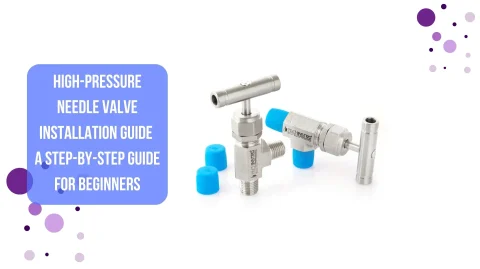
A high-pressure needle valve is a precision flow-control device designed to handle extreme environments with pressures up to 10,000 PSI, 30,000 PSI, or even 60,000 PSI.
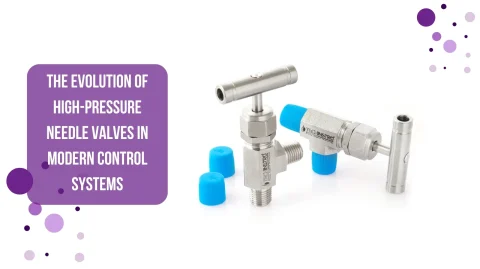
It uses a slender, tapered needle-like stem that fits into a conical seat. Turning the handle moves the needle linearly, allowing for precise, gradual flow regulation.
Why the Needle Design?
Unlike a ball valve, which is usually either on or off, a needle valve allows you to control the flow rate with surgical precision. This is vital for:
- Protecting delicate pressure gauges from sudden surges (snubbing).
- Precise metering of chemical injections.
- Controlled venting of high-pressure lines.
Key Variations Explained
Choosing the correct configuration is the difference between a seamless installation and a plumbing nightmare. Here are the primary variations available from a professional manufacturer:
- Straight-Through Body: The most common design with inlet and outlet on the same plane, ideal for inline piping with clearance.
- Angle Body (90-Degree): Inlet and outlet meet at a right angle, eliminating an extra elbow fitting and reducing leak points.
- Multi-Port/Gauge Valves: Extra outlets let you add a pressure gauge or vent/bleed the system without disconnecting the main line.
- Hard Seat: Metal-to-metal (316 SS or Stellite). Use for high temperatures and abrasive fluids.
- Soft Seat: A PEEK or Delrin insert ensures a bubble-tight seal for gas applications requiring zero leakage.
Integral: Compact and economical for standard high-pressure use.
Union Bonnet: A safety locking nut keeps the valve secure above 30,000 PSI or in high-vibration settings.
Why Buying Premium is More Profitable
In 2026, focusing solely on the lowest price often results in hidden costs over time. Choosing premium valves from a reputable manufacturer delivers long-term savings and higher profits by protecting operations, minimizing risk, and improving system reliability.
Zero Leakage = Zero Waste: In industries like green hydrogen or specialty chemicals, every leak is lost profit. High-end valves feature non-rotating stem tips to prevent galling and maintain a perfect seal through thousands of cycles.
Reduced Maintenance Downtime: Premium valves use hardened 316 Stainless Steel or exotic alloys like Monel. This resistance to corrosion means you replace them once every five years instead of every six months.
Liability & Safety: Manufacturers provide Material Test Reports (MTRs) and pressure certificates to mitigate costly audits, fines, or catastrophic failures.
Energy Efficiency: Precise metering allows your pumps and compressors to run at their sweet spot, lowering your overall energy load.
Technical Specs for Your Roadmap
When sourcing from a supplier, verify these 2026-standard benchmarks:
Pressure Rating: Ensure a safety factor of at least 1.5x your working pressure.
- Stem Design: Choose a non-rotating stem to reduce seat wear.
- End Connections: Options should include NPT, BSPP, or high-pressure compression fittings.
- Temperature Range: Standard is -50°C to 230°C; cryogenic options are available.
Conclusion: Securing Your Infrastructure
The High Pressure Needle Valve is a vital safety barrier and precision tool. By selecting the appropriate variation and prioritizing material durability, you create a system that’s safer and more profitable.