
In modern laboratories and research facilities, many scientific processes require conditions that go far beyond normal temperature and pressure levels. This is where a High-Pressure Autoclave Reactor becomes an essential piece of equipment. Designed to handle high-pressure and high-temperature reactions safely, these reactors enable scientists, researchers, and industries to perform experiments that would otherwise be impossible under standard conditions.
What is a High-Pressure Autoclave Reactor?
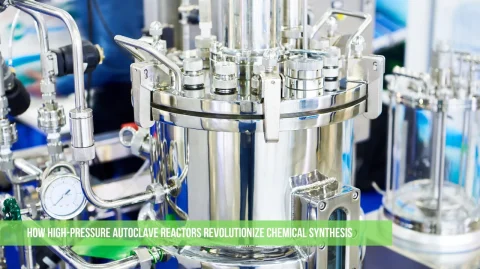
A High-Pressure Autoclave Reactor is a specialized reaction vessel engineered to carry out chemical, materials synthesis, and catalytic processes under controlled high-pressure, high-temperature conditions. Typically manufactured from high-grade stainless steel alloys, these reactors are built to withstand demanding operating conditions while ensuring safety, precision, and reliability.
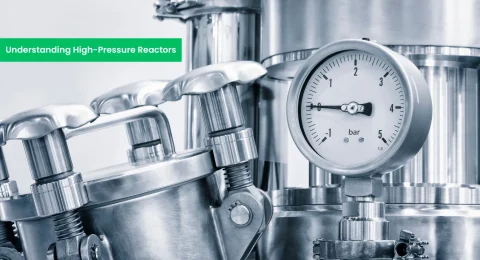
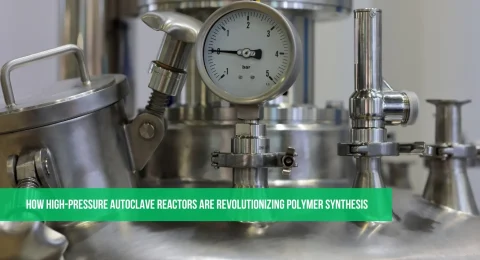
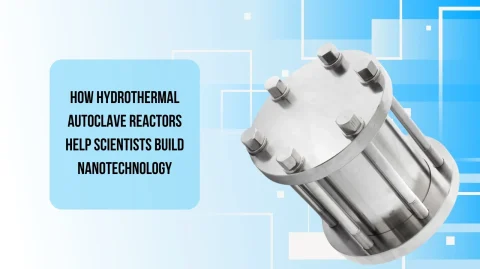
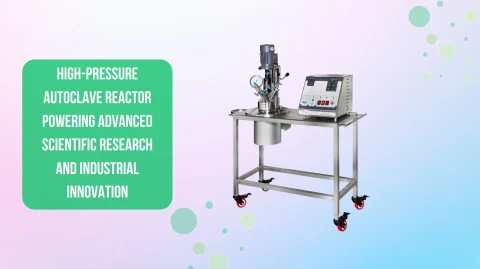
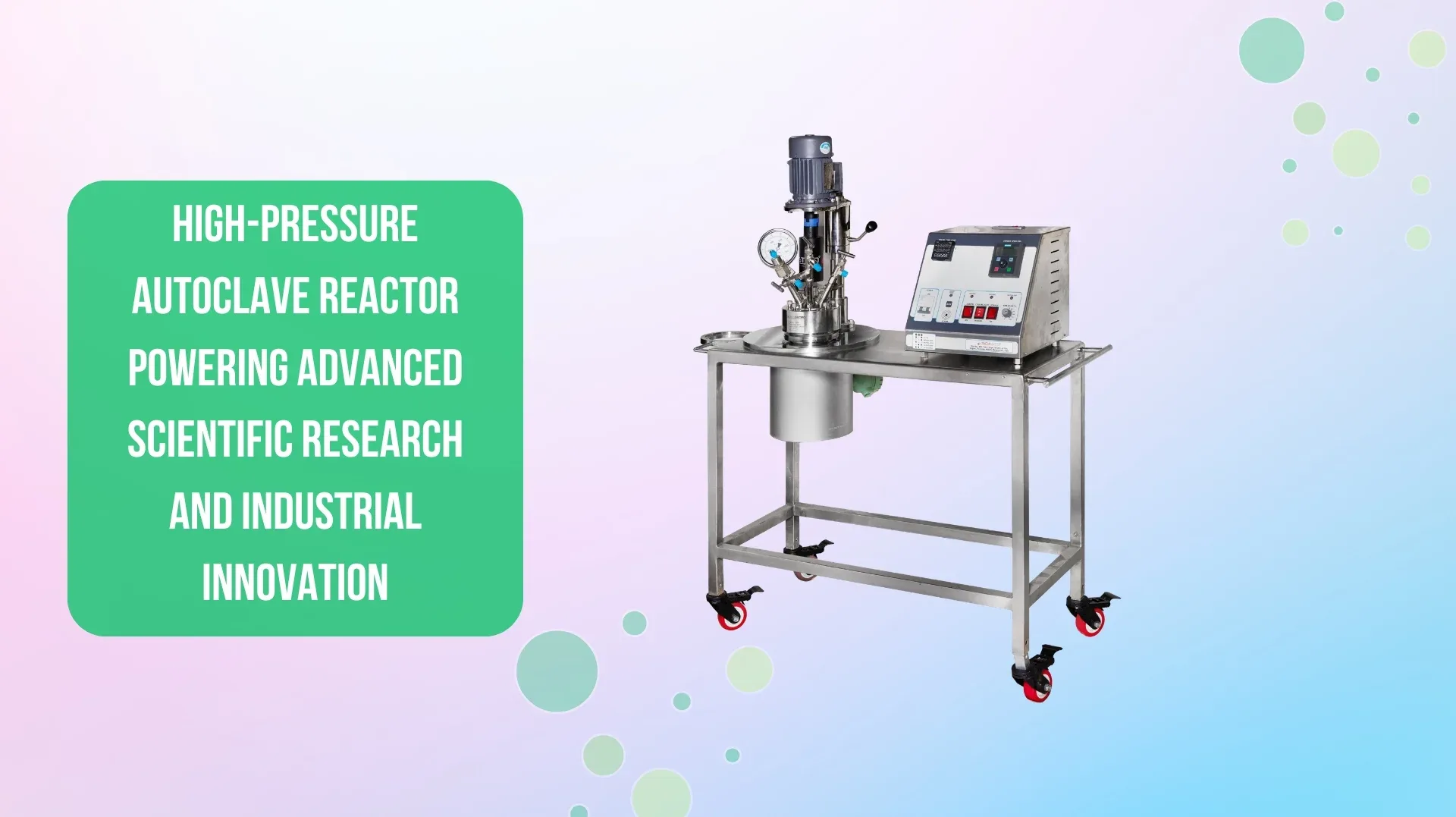
The reactor consists of a pressure-resistant chamber, a sealing system, a heating arrangement, a temperature controller, a pressure gauge, and an optional stirring mechanism. Together, these components create an ideal environment for complex reactions and material development.
Why High-Pressure Conditions Matter
Many chemical reactions occur slowly or not at all under atmospheric pressure. By increasing pressure and temperature, researchers can:
- Accelerate reaction rates
- Improve product yield
- Enhance reaction efficiency
- Create novel materials
- Simulate industrial processing conditions
- Study reactions under extreme environments
- High pressure enables molecules to interact more effectively, opening opportunities for innovation in chemistry, materials science, energy research, and pharmaceuticals.
Key Features of High-Pressure Autoclave Reactors
Robust Construction
These reactors are commonly fabricated from SS316, Hastelloy, Inconel, or other corrosion-resistant materials to ensure durability and long service life.
High Temperature Capability
Depending on the design, reactors can operate at temperatures ranging from ambient conditions to over 500°C, supporting a wide variety of research applications.
High Pressure Resistance
Many systems are designed to handle pressures from a few bars to several hundred bars, making them suitable for demanding experimental conditions.
Advanced Safety Systems
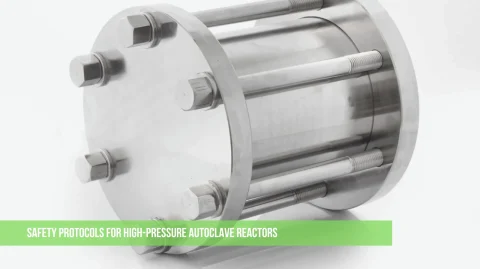
Safety is a critical aspect of high-pressure operations. Modern reactors incorporate:
- Pressure relief valves
- Rupture discs
- Safety interlocks
- Precision pressure monitoring
- Temperature protection systems
Customizable Design
Researchers can choose from different reactor volumes, stirring options, liner materials, and automation levels based on their specific requirements.
Applications of High-Pressure Autoclave Reactors
Nanomaterial Synthesis
Researchers use autoclave reactors to produce nanoparticles, nanorods, nanotubes, and advanced nanostructured materials with controlled properties.
Catalyst Development
Catalytic reactions often require elevated pressure conditions to evaluate catalyst performance and optimize industrial processes.
Hydrogenation Reactions
Hydrogenation is widely used in chemical manufacturing, pharmaceuticals, and petrochemicals, where high pressure enhances reaction efficiency.
Battery and Energy Research
Scientists use high-pressure reactors to develop advanced battery materials, fuel cell components, and energy storage solutions.
Pharmaceutical Research
Drug synthesis and chemical process optimization frequently involve pressure-controlled environments to improve product quality and reaction outcomes.
Material Science
Researchers investigate the behavior of metals, ceramics, polymers, and composite materials under extreme conditions to develop innovative products.
Benefits of Using a High-Pressure Autoclave Reactor
Enhanced Research Capabilities
Scientists can perform experiments that replicate industrial-scale conditions, generating more accurate and practical results.
Improved Process Efficiency
High-pressure operation often reduces reaction time while increasing conversion rates and product yields.
Greater Experimental Control
Precise monitoring of temperature, pressure, and mixing conditions allows for highly reproducible results.
Versatility
A single reactor can support multiple applications across chemistry, nanotechnology, biotechnology, and materials research.
Scalability
- Results obtained in laboratory reactors can often be translated to pilot-scale and industrial-scale processes, supporting technology development and commercialization.
- Selecting the Right High-Pressure Autoclave Reactor
- When choosing a reactor, consider:
- Maximum operating pressure
- Maximum operating temperature
- Reactor volume
- Material compatibility
- Stirring requirements
- Safety features
- Automation and control options
- Future scalability needs
Selecting the appropriate reactor ensures reliable performance and long-term value for research and industrial projects.
The Future of High-Pressure Reactor Technology
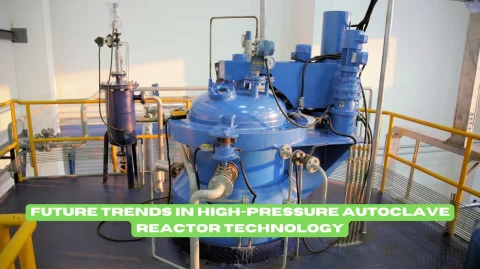
As scientific research becomes increasingly sophisticated, the demand for advanced high-pressure systems continues to grow. Modern reactors now feature digital control systems, automated data logging, remote monitoring capabilities, and enhanced safety mechanisms. These innovations help researchers achieve greater precision while maintaining operational safety.
Conclusion
A High-Pressure Autoclave Reactor is more than just a reaction vessel—it is a gateway to scientific discovery and technological advancement. By enabling reactions under extreme conditions, these reactors support breakthroughs in nanotechnology, pharmaceuticals, energy storage, materials science, and chemical engineering. For laboratories and industries seeking reliable, high-performance research equipment, a high-pressure autoclave reactor remains one of the most valuable tools for innovation and process development.