
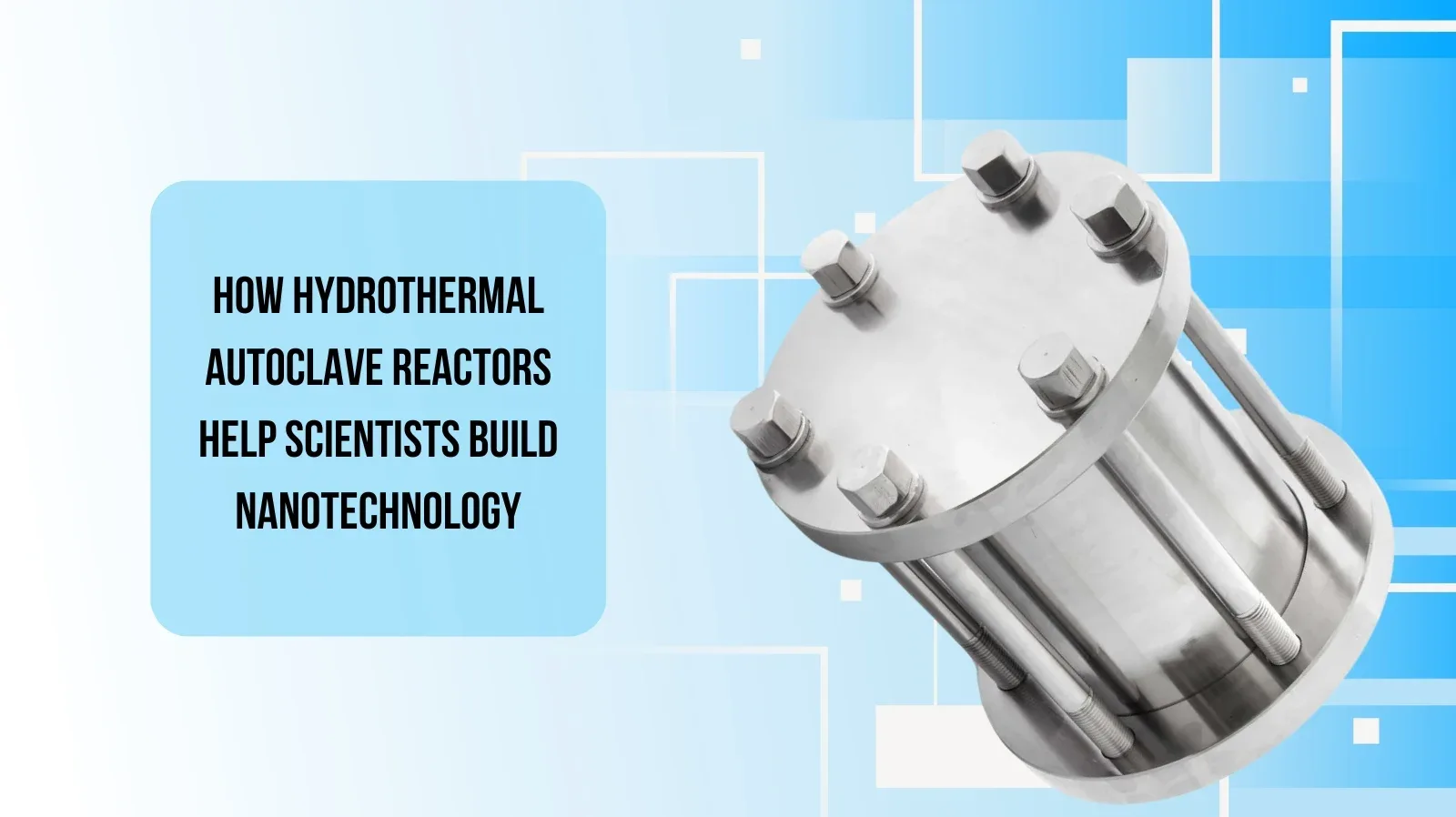
If you have ever used a pressure cooker to speed up dinner, you already understand the basic idea behind one of the most important tools in nanotechnology: the hydrothermal autoclave reactor.
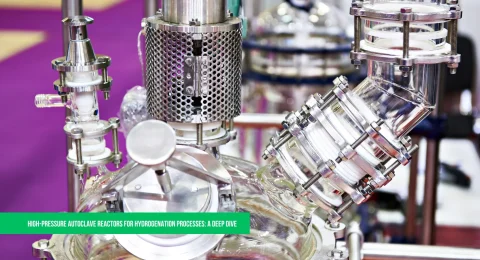
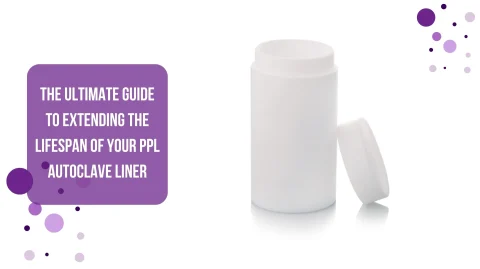
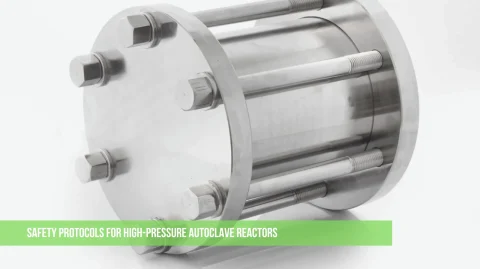
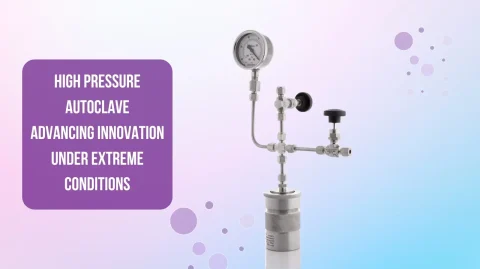
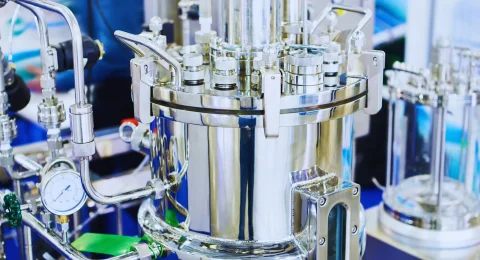
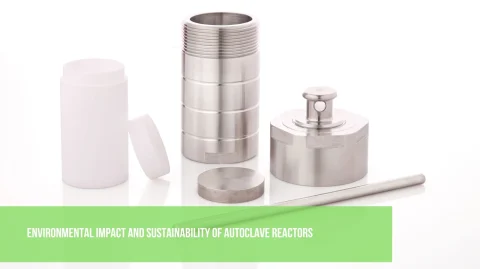
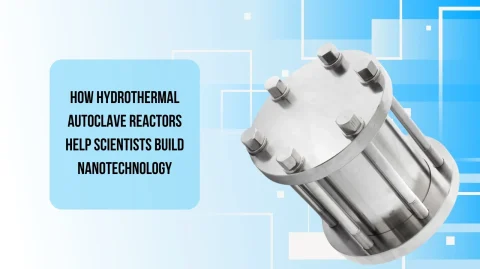
A hydrothermal autoclave is a sturdy, sealed metal container, similar to a thick thermos, with a non-stick cup (often made of Teflon) inside for holding chemicals. Scientists use it to grow nanomaterials by applying heat and high pressure.
Let’s explore how hydrothermal autoclave reactors work, why they matter in nanotechnology, and some of the impressive materials scientists make with them.
What Does “Hydrothermal” Mean?
- Hydro = water
- Thermal = heat
“Hydrothermal” refers to using water that is heated above its boiling point inside a sealed container. The pressure that builds up lets water get hotter than usual without turning into steam.
When water is under high heat and pressure, it can dissolve materials it usually cannot and helps reactions happen faster.
Why Is This Useful for Nanotechnology?
Nanotechnology works with materials that are between 1 and 100 nanometres in size. At this tiny scale, materials can change colour, become stronger, or conduct electricity better.
However, making these tiny materials is challenging. You need a method that is:
- Clean (no unwanted particles)
- Controlled (you decide the size and shape)
- Simple (without complex machinery)
The hydrothermal autoclave does all of this, working like a small factory for making nanoparticles.
Key Uses of Hydrothermal Autoclaves in Nanotech Research
Here are the main ways scientists use this pressure cooker in the lab:
- Growing Metal Oxide Nanoparticles
Metal oxides such as ZnO, TiO₂, and Fe₃O₄ are important in nanotechnology and are used in things like sunscreens, solar cells, and medicine. Autoclaves help grow perfect tiny crystals. By adjusting temperature and time, scientists can make nanorods, nanowires, or nanospheres.
- Creating Quantum Dots
Quantum dots are semiconductor particles that glow brightly under light. They are used in TV screens and medical imaging. To grow with few defects, they need the high pressure and temperature provided by autoclaves.
- Synthesizing Graphene and Carbon Dots
Graphene is a strong, conductive sheet of carbon that is only one atom thick. Scientists use hydrothermal methods to break down larger carbon materials into useful graphene pieces and safer, glowing carbon dots.
- Making Zeolites and Porous Materials
Zeolites are sponge-like materials with even pores. They are used to filter water, store gases, and help with refinery reactions. Autoclaves are commonly used to grow zeolite nanoparticles.
- Coating Surfaces (In-Situ Growth)
Scientists sometimes place glass, metal, or carbon paper in the autoclave so that nanoparticles grow right on the surface. This method is used for battery electrodes, splitting water, or making antibacterial coatings.
A Simple Analogy: Baking Cookies vs. Making Nanorods
Imagine you want to make sugar cookies in the shape of tiny rods.
- Conventional methods are like trying to cut rod shapes from a large sheet of dough. It’s messy, and the edges are rough.
- Hydrothermal synthesis is like using a mold to bake cookies. The heat and pressure make sure each one has the right size, shape, and purity.
In the autoclave, the mold is the controlled chemistry, and the oven is the heat and pressure.
Advantages Over Other Methods
| Temperature | Up to ~250°C (482°F) |
| Pressure | Up to ~100–300 psi (like a car tire on a hot day, but inside a steel vessel) |
| Cost | Relatively cheap and easy to use |
| Control | Excellent control over size, shape, and crystal structure |
| Green chemistry | Often uses only water, no toxic organic solvents |
Real-World Examples You Might Recognize
- Self-cleaning windows – coated with titanium dioxide nanoparticles made in autoclaves.
- Medical sensors – use gold or silver nanoclusters grown hydrothermally.
- Batteries – lithium-ion battery materials like lithium iron phosphate are often made this way.
- Hydrogen fuel – nanostructured catalysts for splitting water into hydrogen and oxygen.
Safety Note
These reactors work under high pressure. Never open an autoclave while it is hot; always let it cool first. Labs use fume hoods and shields. When used correctly, they are safe and reliable.
Conclusion
The hydrothermal autoclave reactor might sound complicated, but it is really just a smart, sturdy pressure cooker for chemists and materials scientists. It lets researchers make nanoparticles with great precision, controlling their size, shape, and purity. This opens the door to many uses in nanotechnology and beyond.
In summary, the hydrothermal autoclave is an essential tool for new discoveries in nanotechnology. It helps create new materials that lead to advances in energy, medicine, and electronics. As researchers keep using this tool, many future breakthroughs will start in these small, powerful metal cylinders. That is the quiet magic of the hydrothermal autoclave.