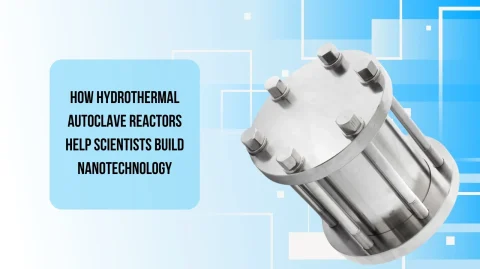
If you have ever used a pressure cooker to speed up dinner, you already understand the basic idea behind one of the most important tools in nanotechnology: the hydrothermal autoclave
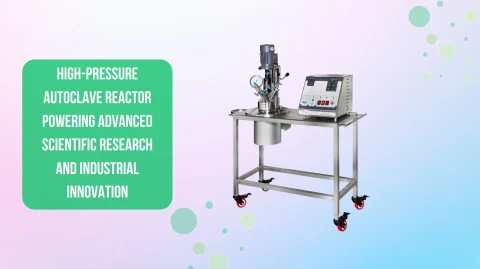
In modern laboratories and research facilities, many scientific processes require conditions that go far beyond normal temperature and pressure levels. This is where a High-Pressure Autoclave Reactor becomes an essential
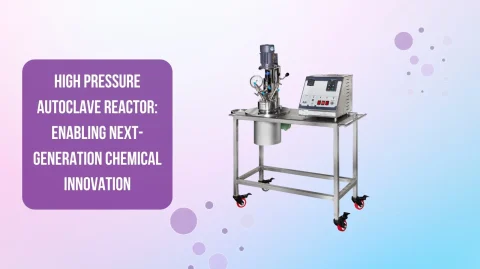
As industries move toward more complex chemical processes and advanced materials, the need for controlled reaction environments has become increasingly critical. The High Pressure Autoclave Reactor addresses this need by
In modern chemical and material research, reaction environments often demand conditions far beyond atmospheric limits. The High Pressure Autoclave Reactor is engineered to meet these demands by offering a controlled,
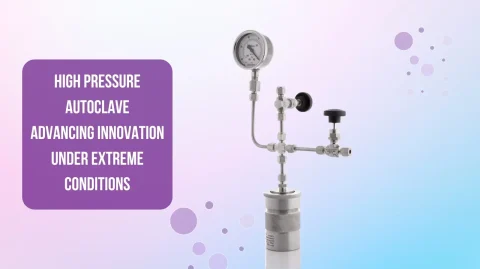
In modern science and industrial manufacturing, some discoveries can only happen under extreme conditions. Ordinary laboratory equipment often fails when reactions demand intense heat, powerful pressure, and complete environmental control.
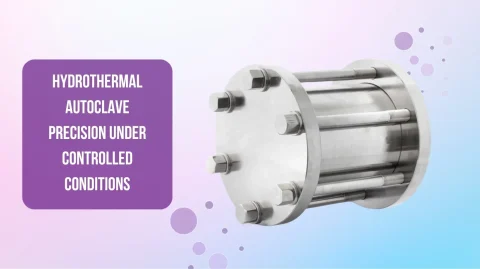
A hydrothermal autoclave is a high-performance reaction vessel designed to carry out chemical processes under elevated temperature and pressure. It enables reactions beyond normal atmospheric limits, allowing the formation of
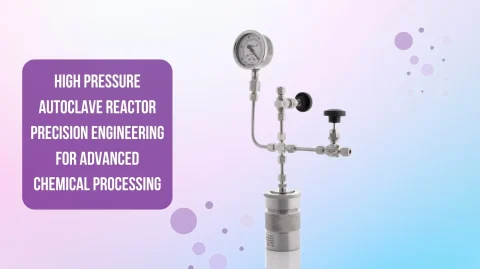
In chemical synthesis, material science, and pharmaceutical R&D, equipment choice is crucial. A High-Pressure Autoclave Reactor is a key tool that enables reactions at higher temperatures and pressures than those
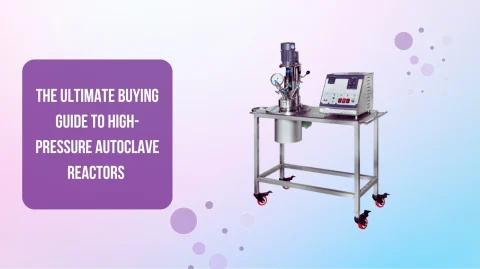
In the world of chemical research and industrial production, a High-Pressure Autoclave Reactor is a significant investment. These precision-engineered vessels are built to withstand extreme environments, intense heat, high pressures,
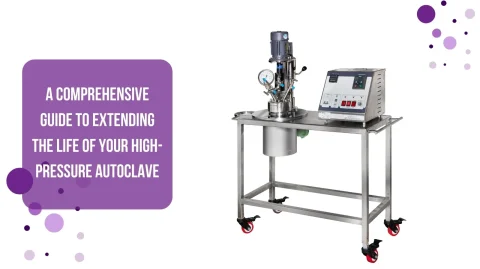
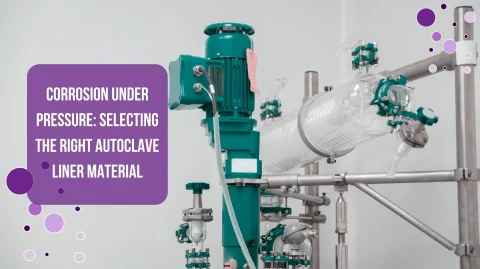
The Hidden Battle Inside Every Reactor In high-pressure autoclave reactors, the most intense battle isn’t between reactants; it’s between your equipment and corrosion. These silent, progressive destruction costs industries millions
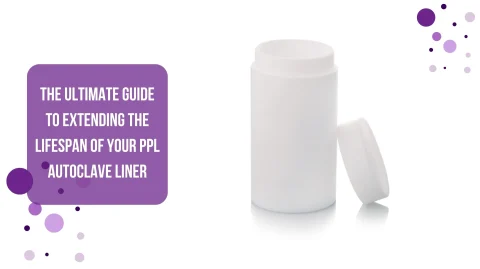
If you work in high-temperature synthesis, the PPL (Polyphenylene Polymer) lined hydrothermal autoclave is likely your workhorse. Unlike standard white PTFE (Teflon) liners that soften around 220°C , the black